
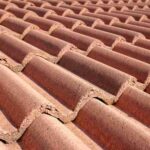
Tiling a roof with clay tiles combines elegance, durability, and long-term value, making it one of the most sought-after roofing solutions. Clay tiles are not only visually striking but also withstand harsh weather, resist fire, and provide excellent insulation. While installation requires skill and planning, a properly tiled clay roof can last 50 to 100 years or more.
Homeowners and professionals alike value clay tiles for their low-maintenance nature and ability to enhance a property’s curb appeal. Understanding the fundamentals of clay tiles, their installation process, and the advantages they bring helps ensure a successful roofing project that offers both aesthetic beauty and functional protection for decades.
The Basics of Clay Roof Tiles
Clay roof tiles are crafted from natural, fired clay, giving them remarkable durability and color retention. They are available in various profiles, such as barrel, flat, S-tiles, and mission tiles, allowing versatile design applications. Clay tiles are heavier than many other roofing materials, so roof structures must be assessed for load-bearing capacity.
Their natural thermal insulation helps regulate indoor temperatures, reducing energy costs. Proper underlayment and ventilation are essential to maintain a clay tile roof’s longevity. Resistant to rot, insects, and UV damage, clay tiles are ideal for homeowners seeking a long-lasting, low-maintenance roofing solution.
Why Choose Clay Tiles for Your Roof?
Clay tile roofing is a popular choice for homeowners seeking long-lasting protection, energy efficiency, and classic visual appeal that enhances property value while performing well in diverse climates.
Timeless Aesthetic Appeal
Clay tiles offer a rich, natural appearance that suits both traditional and modern architecture. Their color is baked into the material, preventing fading, while their texture adds depth and character to any home exterior.
Superior Durability
Clay tile roofs can last up to 100 years with proper installation and minimal maintenance. They resist fire, heavy rain, strong winds, and temperature fluctuations, making them one of the most reliable roofing materials available.
Energy Efficiency
The curved design of clay tiles promotes natural airflow beneath the roof surface, reducing heat transfer. This keeps interiors cooler during hot months and warmer in winter, helping homeowners reduce overall energy consumption.
Low Maintenance
Clay tile roofing requires very little maintenance compared to other materials. Regular inspections, clearing debris, and replacing occasional cracked tiles are usually enough to preserve structural integrity and visual appeal long term.
Essential Tips for Tiling a Roof with Clay Tiles
Clay tile installation demands attention to detail and proper planning. Follow these tips for a successful, long-lasting roof:
- Assess Roof Structure and Pitch: Ensure your roof can support the weight of clay tiles (8–10 lbs/sq ft). Reinforce framing if necessary, and check that the slope meets manufacturer and code requirements.
- Gather Proper Tools and Materials: Use high-quality clay tiles, synthetic underlayment, battens, flashing, and safety equipment. Stock extra tiles for cuts and breakage.
- Install Underlayment and Flashing Correctly: Lay underlayment from eaves upward, overlapping rows. Install drip edges, step flashing, and ice/water shields to prevent leaks around valleys, chimneys, and vents.
- Set Up Battens for Stability and Ventilation: Mark and secure battens evenly, ensuring proper airflow and support for tiles. Counter battens may be needed in high-wind regions.
- Follow Headlap and Overlap Guidelines: Maintain recommended vertical and side overlaps. Stagger joints to prevent water infiltration and ensure consistent alignment.
- Lay Tiles from Eave to Ridge: Start at the eaves, securing tiles properly. Cut tiles precisely around hips, valleys, and edges to maintain water runoff and aesthetics.
- Finish with Ridge and Hip Tiles: Install ridge tiles with proper sealing. Inspect the roof for alignment, loose tiles, and secure all flashing before completing the project.
Most Common Issues with Clay Tile Roofs
While clay tiles are highly durable, problems can arise if the installation or maintenance is inadequate. Cracked or broken tiles often result from impact or foot traffic, potentially causing leaks. Moss and algae growth may develop in shaded, damp areas, retaining moisture and affecting longevity.
Tile slippage occurs when tiles shift due to improper fastening, deteriorated battens, or high winds. Over time, underlayment may degrade, compromising waterproofing even if tiles remain intact. Regular inspections, timely repairs, and proper cleaning methods help prevent these issues, ensuring the roof remains visually appealing and functional for decades.
Cost of Tiling a Roof with Clay Tiles
The cost of a clay tile roof depends on tile type, roof complexity, and labor. Materials range from $5–$15 per square foot, while installation typically costs $11–$30 per square foot. Complex roof shapes or premium tiles may increase costs.
Despite the higher upfront investment compared to asphalt shingles or composite roofing, clay tiles provide unmatched longevity, low maintenance, and energy efficiency, making them a cost-effective choice over the roof’s lifespan. Professional installation ensures code compliance, structural integrity, and access to warranties, protecting your investment and providing peace of mind.
Clay Tile Roof Installation: Step-by-Step Method
Clay tile roof installation follows a precise process that ensures structural strength, weather resistance, and long-term performance while delivering a visually appealing and professionally finished roofing system.
Remove Old Roofing
Begin by removing all existing roofing materials, including shingles, tiles, and underlayment. Inspect the exposed surface carefully and clear debris to prepare a clean, stable base for proper clay tile installation.
Inspect and Repair Roof Deck
Examine the roof deck for signs of rot, sagging, cracks, or loose fasteners. Replace damaged sections and reinforce weak areas to ensure the structure can support the weight of clay tiles.
Install Underlayment and Battens
Apply a high-quality waterproof underlayment to protect against moisture intrusion. Install battens across the roof surface to create ventilation channels and provide secure attachment points for each clay tile.
Lay Field Tiles
Start installing tiles at the eaves and work upward toward the ridge. Hook tiles onto battens and secure them with nails or clips, maintaining consistent spacing, proper headlap, and staggered joints.
Cut and Fit Around Roof Features
Carefully cut tiles to fit around chimneys, skylights, valleys, and roof edges. Install flashing in these areas to direct water away and prevent leaks while maintaining a clean, professional appearance.
Install Ridge and Hip Tiles
Complete the roof by placing ridge and hip tiles along all peaks and angles. Seal joints securely, align tiles evenly, and ensure tight placement to enhance weather resistance and overall visual symmetry..
Advantages of Professional Tiling with Clay Roof Tiles
Professional installation ensures safety, efficiency, and long-term performance. Benefits include:
- Structural Safety: Proper assessment and reinforcement prevent sagging or collapse.
- Leak Prevention: Correct underlayment, flashing, and tile placement reduce water intrusion risks.
- Warranty Compliance: Ensures installation meets manufacturer requirements for long-term coverage.
- Time and Cost Efficiency: Experienced installers minimize breakage, misalignment, and project delays.
- Aesthetic Quality: Professionals achieve consistent tile spacing, uniform alignment, and precise finishes for a visually striking roof.
Clay Roof Tiles vs Other Roofing Materials
Clay tiles provide longevity, aesthetic appeal, and energy efficiency compared to other materials.
- Asphalt Shingles: Lower cost, shorter lifespan (15–30 years).
- Concrete Tiles: Durable but heavier, slightly shorter lifespan than clay.
- Metal Roofing: Lightweight, resistant to fire and wind, but lacks classic tile appearance.
- Slate: Extremely durable, premium cost, heavier than clay.
| Material | Lifespan | Weight | Maintenance | Aesthetic Appeal | Cost |
|---|---|---|---|---|---|
| Clay Tiles | 50–100 years | Heavy | Low | High | High |
| Asphalt Shingles | 15–30 years | Light | Medium | Moderate | Low |
| Concrete Tiles | 40–70 years | Heavy | Low | Moderate | Moderate |
| Metal Roofing | 40–70 years | Light | Low | Moderate | Moderate |
| Slate Tiles | 75–150 years | Very heavy | Low | Very High | Very High |
FAQs
How long does a clay tile roof last?
A properly installed clay tile roof can last between 50 and 100 years with minimal maintenance. Its natural resistance to weather, rot, and insects makes it one of the longest-lasting roofing materials available.
Do clay tiles require frequent maintenance?
Clay tiles require very little maintenance compared to other roofing options. Occasional inspections for cracked tiles, clearing debris, and gentle cleaning every few years help prevent moss or algae buildup and maintain long-term performance.
Can clay tiles withstand extreme weather?
Yes, clay tiles are highly durable and perform well in extreme weather conditions. They resist fire, heavy rain, strong winds, and intense heat, making them suitable for coastal, hot, and storm-prone climates.
Are clay tiles heavy for my roof?
Yes, clay tiles are heavier than most roofing materials. A professional structural assessment is necessary before installation, and additional roof reinforcement may be required to ensure the building can safely support the extra weight.
Final Thoughts
Tiling a roof with clay tiles is a long-term investment in durability, beauty, and energy efficiency. Though installation requires skill, proper planning, and attention to detail, the benefits far outweigh the challenges. A professionally installed clay tile roof protects against extreme weather, reduces maintenance costs, and enhances property value.
Homeowners gain peace of mind knowing their roof can last decades while maintaining a timeless, stylish appearance. With careful material selection, correct installation techniques, and regular inspections, a clay tile roof remains a reliable, visually stunning roofing solution that adds lasting charm and protection to any home.