
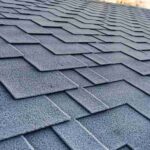
Roof shingles are one of the most essential components of a home, providing protection against rain, wind, and extreme weather. Beyond functionality, they play a significant role in your home’s aesthetic appeal, energy efficiency, and long-term value. With a wide variety of materials, styles, and designs available, selecting the right shingles can be overwhelming. Factors like durability, cost, maintenance, and climate suitability must all be considered.
This guide will walk you through the different types of roof shingles, key considerations for selection, installation tips, and long-term maintenance strategies. Whether building a new home or replacing an aging roof, understanding roofing shingles ensures both protection and visual appeal for decades to come.
The Basics of Roof Shingles for Your Home
Roof shingles are overlapping elements installed on a roof to create a durable, waterproof barrier. They are designed to shed water efficiently along the slope of the roof, protecting the structure beneath. Modern shingles are typically made from asphalt, wood, metal, clay, slate, or composite materials, each with unique characteristics.
Asphalt shingles are the most widely used due to affordability, ease of installation, and variety in color and style. Premium options like metal, slate, or composite offer longer lifespans and enhanced durability but come at higher costs. Choosing the right shingles requires evaluating your home’s design, climate conditions, and long-term budget, ensuring your roof remains both functional and visually appealing while maximizing energy efficiency and property value.
Types of Roofing Shingles
Choosing the right roof shingles affects durability, appearance, and maintenance. Homeowners must understand the features, lifespan, and benefits of each shingle type to make informed decisions for long-lasting protection and aesthetic appeal.
Asphalt Shingles
Asphalt shingles are cost-effective, versatile, and widely used. Available in three-tab, dimensional, or luxury styles, they offer a range of colors and textures, providing reliable protection and a lifespan of 20–30 years with proper maintenance.
Wood Shingles
Wood shingles or shakes create a natural, rustic aesthetic. Cedar is most common due to insect and rot resistance. These shingles require regular maintenance and fire precautions, lasting approximately 25–40 years in suitable climates.
Metal Shingles
Metal shingles provide exceptional durability, fire resistance, and longevity. Lightweight and reflective, they improve energy efficiency but may dent under impact. Lifespan ranges between 40 and 70 years, depending on material and coating.
Clay and Slate Shingles
Clay and slate shingles are premium options offering long-lasting performance. Clay suits warm climates, while slate can exceed a century. Both are heavy, requiring reinforced structures and careful professional installation for optimal results.
Additional Considerations When Choosing Roofing Shingles
Selecting roofing shingles involves more than style. Consider factors that affect performance, maintenance, and long-term costs.
- Climate Suitability: Choose shingles based on local weather patterns. Metal and slate withstand extreme weather, while clay suits hot, dry climates.
- Impact Resistance: Hail and wind-prone areas benefit from impact-rated shingles to reduce potential damage and insurance costs.
- Algae Resistance: In humid, shaded areas, algae-resistant shingles prevent black streaks and maintain visual appeal.
- Energy Efficiency: Light-colored or reflective shingles lower cooling costs by reflecting sunlight. ENERGY STAR–certified options maximize savings.
- Warranty Coverage: Check manufacturer and installation warranties to ensure protection against material defects and poor workmanship.
Which is the Best Type of Roofing Shingle?
There is no single “best” shingle for every home. The ideal choice depends on factors such as climate, architectural style, budget, and long-term goals. Asphalt shingles remain the most popular choice due to affordability and ease of installation. For homes built to last, metal, slate, or composite shingles offer superior durability and minimal maintenance. Wood shingles provide unique aesthetic appeal but require consistent upkeep.
Climate-specific considerations, like fire or hail resistance, also influence the decision. Consulting with a roofing professional ensures the selection aligns with your home’s structure, local building codes, and performance expectations. Ultimately, the right shingle protects your home, enhances curb appeal, and offers peace of mind for decades.
How to Install and Maintain Roof Shingles
Roof shingle installation is complex and best handled by professionals, especially for high-end or heavy materials like slate or metal. Proper installation ensures water resistance, warranty compliance, and long-term durability. Routine maintenance extends shingle life, including inspections after storms, clearing debris, and keeping gutters clean.
Replace damaged shingles promptly, check attic ventilation, and remove moss or algae. Even durable shingles like asphalt benefit from periodic professional inspections every few years. Proper installation combined with regular maintenance protects your home, prevents costly damage, and maximizes roof lifespan, ensuring your investment remains secure.
Maximizing Your New Roof’s Value: Maintenance & Longevity
Proper maintenance ensures your roof stays durable, functional, and visually appealing. Consistent care including inspections, cleaning, gutter upkeep, and timely repairs extends lifespan, prevents costly damage, and protects your home’s overall structure, energy efficiency, and long-term investment.
Inspection
Regularly inspect your roof for cracked, curling, or missing shingles. Check the attic for leaks, damp insulation, or water stains. Early detection of issues prevents minor problems from turning into expensive repairs and ensures the roof remains fully protective and long-lasting.
Cleaning
Keep your roof free from leaves, moss, and debris. Use a soft brush or low-pressure hose to remove buildup without damaging shingles. Avoid high-pressure washing, which can dislodge granules and void warranties, ensuring longevity and optimal roof performance.
Gutter Maintenance
Clean gutters at least twice a year and after storms to prevent water from backing up under shingles. Check for sagging or loose sections. Proper gutter care protects roof edges, prevents leaks, and reduces the risk of structural damage.
Repairs
Address small issues immediately by replacing damaged shingles and sealing exposed nails or flashing gaps. Timely repairs prevent minor leaks from escalating, maintain waterproofing, and extend roof lifespan while protecting the home’s interior from moisture and structural damage.
Why Should Homebuilders Use Roof Shingles?
Roof shingles provide a combination of functionality, protection, and aesthetics. They are chosen for:
- Durability: Protect homes from rain, wind, and UV damage.
- Design Flexibility: Available in diverse colors, textures, and styles to complement architecture.
- Cost Efficiency: Asphalt and composite shingles balance affordability with long-term performance.
- Maintenance Ease: Many shingles require minimal upkeep while providing lasting protection.
- Value Addition: High-quality shingles increase energy efficiency, curb appeal, and resale potential.
Homebuilders benefit from selecting shingles that ensure long-term satisfaction for homeowners while reducing future repair costs.
Roofing Expenses and Long-Term Value Explained
Understanding costs goes beyond initial installation. Shingle choice impacts longevity, maintenance, and total ownership expense.
- Asphalt Shingles: Affordable upfront, moderate lifespan, occasional replacement needed.
- Metal Shingles: Higher upfront, long-lasting, minimal maintenance.
- Clay & Slate: Premium cost, extreme longevity, low upkeep.
- Wood Shingles: Moderate-to-high cost, high maintenance, natural aesthetics.
- Composite Shingles: Mid-range cost, durable, low-maintenance, mimics premium materials.
| Shingle Type | Cost per sq. ft. | Average Lifespan |
|---|---|---|
| Asphalt | $4–$8 | 25–30 years |
| Metal | $6–$14 | 40–70 years |
| Clay Tile | $8–$25 | 50–100 years |
| Wood | $6–$15 | 25–40 years |
| Slate | $10–$30 | 75–100+ years |
| Composite | $4–$10 | 40–50 years |
FAQs
How often should shingles be replaced?
Shingle lifespan depends on material and climate. Asphalt lasts 20–30 years, wood 25–40, metal 30–50, clay or slate 50–100+, and composite 40–50 years. Regular inspections help determine the right replacement timing.
What are the most durable shingles?
- Slate: 75–100+ years
- Metal: 40–70 years
- Composite: 40–50 years
These materials offer long-lasting performance, resisting weather, fire, and impact more effectively than standard asphalt or wood shingles.
Are shingles waterproof?
Yes, when properly installed, shingles create a watertight barrier. They effectively shed rain, snow, and moisture, protecting your home from leaks and structural damage while maintaining roof integrity over time.
Can I install shingles myself?
- DIY is possible for simple asphalt shingles on low-slope roofs.
- Professional installation is recommended for heavy, complex, or high-end materials to ensure durability, correct application, and maintain warranties.
Final Thoughts
Roof shingles are more than decorative elements; they are your home’s first line of defense against weather, energy loss, and structural damage. Selecting the right material involves evaluating durability, aesthetics, climate suitability, and budget. Asphalt shingles offer affordability, wood and composite provide style, and metal, slate, or clay deliver long-term performance.
Proper installation, routine inspections, and timely maintenance extend roof lifespan and protect your investment. By making informed decisions and prioritizing both functionality and design, homeowners can enjoy a durable, attractive roof that enhances energy efficiency, curb appeal, and property value for decades. Choosing wisely ensures peace of mind and a secure, beautiful home.