
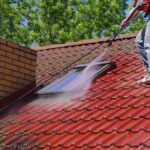
A clean roof is essential not only for enhancing your home’s curb appeal but also for prolonging its lifespan. Over time, moss, algae, mold, and debris can accumulate, leading to stains, moisture retention, and potential damage. Roof pressure washing is an effective method to restore your roof’s appearance and protect its integrity. However, it requires careful execution to avoid causing harm to shingles or roofing materials.
Understanding the correct techniques, equipment, and chemicals is crucial for safe, efficient roof maintenance. Whether you’re considering DIY pressure washing or hiring professionals, a comprehensive approach ensures your roof remains clean, structurally sound, and visually appealing. Regular roof cleaning also complements other home maintenance practices, such as gutter cleaning and exterior washing, ensuring a fully protected home.
Is Pressure Washing Safe for Your Roof?
Pressure washing can be highly effective, but it’s not always the safest choice for every roof type. High-pressure water can strip protective granules from asphalt shingles, crack tiles, or damage coatings on metal roofs if applied incorrectly. Water infiltration is another risk, as forceful streams can seep under shingles, causing leaks and interior damage.
Safety is also a concern working at heights with powerful equipment poses hazards without proper precautions. Despite these risks, when performed carefully with the right PSI, proper techniques, and protective measures, pressure washing can remove moss, algae, and debris effectively. In some cases, combining low-pressure washing with specialized cleaning solutions, known as soft washing, may be a safer alternative for delicate roof materials.
What Chemicals Are Safe for Pressure Washing a Roof
Using the right chemicals is essential for effective and safe roof cleaning. Proper solutions break down moss, algae, and other growths without harming roofing materials, landscaping, or the environment. Choosing the correct chemical depends on your roof type and cleaning goals.
Sodium Hypochlorite (Bleach)
Sodium hypochlorite is highly effective at eliminating moss, algae, and mold. When diluted correctly, it cleans thoroughly without harming shingles. Care must be taken to protect plants and landscaping from runoff during application.
Hydrogen Peroxide
Hydrogen peroxide provides a safer, environmentally friendly alternative to bleach. It removes algae and moss effectively while minimizing risk to plants and roof surfaces. Ideal for homeowners seeking an eco-conscious cleaning solution.
Surfactants (Detergents)
Surfactants improve cleaning by helping chemical solutions cling to the roof surface. This allows them to break down grime more efficiently. They are typically combined with bleach or hydrogen peroxide for maximum effectiveness.
Biodegradable Cleaners
Biodegradable cleaners are eco-friendly options that safely remove organic growth without harming the environment or landscaping. Heavier moss or algae may require multiple treatments to achieve optimal results.
Top Benefits of Pressure Washing Your Roof
Pressure washing isn’t just about aesthetics it protects and extends the life of your roof.
- Enhances Curb Appeal: A clean roof restores its original color, making the home look fresh and well-maintained.
- Prevents Damage: Removing moss, algae, and lichen prevents moisture retention that can rot shingles and degrade roofing materials.
- Improves Gutter Function: Clearing debris prevents blockages in gutters and downspouts, reducing water-related damage.
- Increases Roof Longevity: Regular cleaning reduces premature wear, extending the lifespan of roofing materials.
- Boosts Energy Efficiency: Light-colored, clean roofs reflect more sunlight, helping regulate indoor temperatures.
- Reduces Costly Repairs: Preventative cleaning helps avoid leaks, structural damage, and expensive repairs in the future.
How Much PSI Is Needed to Clean a Roof?
Choosing the correct PSI (pounds per square inch) is essential for effective and safe roof cleaning. Low-pressure ranges, around 1000–1500 PSI, are ideal for asphalt shingles and other delicate surfaces, removing dirt and algae without damaging granules. Medium pressures, 1500–2000 PSI, suit sturdier surfaces like concrete or clay tiles, while high pressure above 2000 PSI is generally reserved for metal or concrete roofs.
Starting at a lower PSI and gradually adjusting ensures safety while effectively cleaning the roof. Using adjustable nozzles and testing small sections before full-scale washing helps prevent costly damage, while also allowing even application of cleaning solutions to remove stubborn moss or lichen.
Professional Roof Cleaning with The Plano Roofing Company
Professional roof cleaning ensures safety, thoroughness, and long-lasting results. Experts assess your roof’s condition, determine the safest cleaning method, and use specialized equipment to remove moss, algae, and debris effectively. They protect surrounding plants, siding, and outdoor areas while applying the correct chemicals in the right concentration.
Professionals also identify minor issues like loose shingles or damaged tiles during cleaning, preventing future repairs. Hiring a professional ensures that the roof is cleaned without compromising its structural integrity or your safety, giving homeowners peace of mind and a roof that looks and performs at its best.
Choosing the Right Equipment for Roof Cleaning
Selecting the right equipment is critical for safe, effective roof cleaning. Proper pressure washers, hoses, nozzles, and protective gear ensure the job is done efficiently.
Adjustable Nozzles
Adjustable nozzles let you control water pressure and spray patterns precisely, ensuring effective cleaning while protecting shingles. They allow you to switch between gentle rinses and stronger streams, reducing the risk of damage to roofing materials during pressure washing.
Low-Pressure Systems
Low-pressure systems are designed for soft washing, safely applying cleaning solutions without harming shingles or delicate roof surfaces. They provide controlled water flow, ensuring debris and organic growth are removed gently, preserving the roof’s integrity and extending its lifespan.
Ladders and Safety Gear
Proper ladders, harnesses, and protective equipment are crucial for safe roof cleaning. They prevent falls and injuries while allowing you to access steep or high areas. Using the right safety gear ensures a secure, professional maintenance process.
Chemical Applicators
Specialized chemical applicators evenly distribute cleaning solutions, bleach, or eco-friendly cleaners across the roof surface. They ensure maximum coverage and effectiveness while minimizing runoff or damage, making roof cleaning safer, more efficient, and environmentally responsible.
Risks of Pressure Washing a Roof
Despite its benefits, pressure washing carries risks if not done properly.
- Shingle Damage: High-pressure water can strip granules or lift shingles.
- Tile Cracking: Clay or concrete tiles can break under excessive force.
- Metal Roof Damage: Coatings can be removed, leaving surfaces vulnerable.
- Water Infiltration: Improper technique can force water under shingles, causing leaks.
- Safety Hazards: Falls or accidents can occur without proper safety measures.
- Plant and Property Damage: Overspray or chemical runoff can harm landscaping if precautions aren’t taken.
Pressure Washing vs. Soft Washing
Pressure washing and soft washing differ significantly in approach and suitability for roof cleaning.
- Pressure Washing: High-pressure water removes surface debris quickly but may damage shingles or tiles.
- Soft Washing: Low-pressure water with specialized chemicals safely eliminates algae, moss, and mold at the root.
| Feature | Pressure Washing | Soft Washing |
|---|---|---|
| Pressure | 1000–2000+ PSI | 50–150 PSI |
| Effectiveness | Surface debris | Root-level organic growth |
| Roof Safety | Risk of damage | Gentle on materials |
| Longevity | Temporary | Long-lasting |
| Environmental Impact | Potential runoff | Biodegradable options |
FAQs
Is pressure washing safe for all roof types?
Pressure washing is safe for durable roofs like metal, concrete, and clay. For asphalt shingles or delicate materials, lower pressure or soft washing is recommended to avoid stripping granules, lifting shingles, or causing long-term damage.
How often should I clean my roof?
- Most residential roofs: every 2–3 years to prevent moss, algae, and debris buildup.
- Shaded areas or roofs near water: yearly maintenance is recommended.
- After storms: inspect and rinse to avoid accumulated debris and stains.
Can I use bleach on my roof safely?
Diluted sodium hypochlorite effectively removes algae, moss, and mold. Careful application protects shingles and surrounding plants. Pre-wetting landscaping and following proper concentrations ensures cleaning is safe without harming your roof or environment.
Do I need professional help for roof cleaning?
Professional roof cleaners provide safety, efficiency, and expertise. They handle steep slopes, select the correct chemicals, prevent damage, and ensure thorough cleaning, saving time while extending your roof’s lifespan and maintaining its aesthetic appeal.
Final Thoughts
Roof pressure washing is an essential part of home maintenance, offering both aesthetic and functional benefits. While it can dramatically improve curb appeal, prevent damage, and extend roof life, safety and proper technique are critical. Using the right PSI, appropriate chemicals, and professional equipment ensures that cleaning is effective without compromising roofing materials.
Soft washing may be a safer alternative for sensitive roofs, providing long-lasting protection against moss, algae, and mold. Incorporating roof cleaning into a regular preventative maintenance routine alongside gutter cleaning and exterior washing helps homeowners protect their investment, maintain property value, and enjoy a beautiful, safe home. Always prioritize professional guidance for optimal results and peace of mind.