
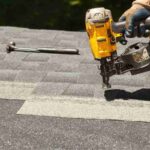
Selecting the right roofing contractor is a critical decision for homeowners in Plano, Texas. Your roof protects your home, your family, and your investment, making proper installation and repair essential. A quality contractor ensures your roof is structurally sound, weather-resistant, and durable for years to come.
With so many options available, finding a contractor you can trust requires careful research, understanding of the roofing process, and attention to both quality and professionalism. This guide will walk you through the key factors to consider, from communication and contracts to warranties and repair services, so you can confidently choose a roofing contractor who delivers reliability, expertise, and lasting results.
Why Is Choosing A Roofing Contractor Important?
Choosing the right roofing contractor can significantly impact your home’s safety and long-term maintenance costs. A skilled contractor provides high-quality workmanship, adheres to local building codes, and ensures proper installation techniques, preventing future leaks, structural damage, and costly repairs. Reputable contractors offer warranties that protect your investment and peace of mind, while inexperienced or unlicensed roofers may cut corners, use inferior materials, or leave safety hazards unaddressed.
Additionally, a professional contractor navigates permitting, inspections, and material selection with expertise, helping you avoid hidden expenses. Your choice affects not only your roof’s longevity but also the overall value, energy efficiency, and aesthetics of your home. Making an informed decision safeguards both your property and your finances.
Key Considerations When Selecting a Roofing Contractor
Selecting the right roofing contractor requires careful evaluation. Key factors like licensing, experience, local knowledge, and professional affiliations help ensure quality workmanship, reliability, and long-lasting protection for your home in Plano.
Licensing and Insurance
Verify that your roofing contractor carries proper liability insurance and workers’ compensation coverage. This safeguards homeowners from financial responsibility in case of accidents, property damage, or injuries during the project, providing peace of mind throughout the roofing process.
Experience and Reputation
Choose a contractor with a strong track record of completed projects. Request references, review past work, and check customer feedback. Experienced contractors demonstrate reliability, skilled workmanship, and the ability to handle various roofing challenges effectively.
Local Knowledge
A contractor familiar with Plano’s climate, building codes, and common roofing materials can offer solutions tailored to local conditions. This expertise enhances roof durability, performance, and ensures compliance with regional regulations, reducing risks and maintenance needs over time.
Professional Affiliations
Membership in professional roofing associations signals commitment to industry standards, continuing education, and best practices. Affiliations indicate a contractor’s dedication to quality, adherence to safety protocols, and engagement with the latest roofing technologies and installation techniques.
Clear Communication & Professionalism
Effective communication and professionalism are essential for a smooth roofing project. A reputable contractor responds promptly to inquiries, provides clear explanations, and maintains transparency throughout the process. From the initial consultation to the final inspection, every interaction should reflect accountability and respect for your property.
Professional contractors also document their work thoroughly, providing detailed proposals, schedules, and updates. They listen to homeowner concerns, answer technical questions in understandable terms, and avoid rushing decisions. Clear communication ensures expectations align with deliverables, reducing misunderstandings or disputes.
In addition, professional roofers maintain organized crews, follow safety protocols, and respect property boundaries. Their professionalism extends to cleanup and post-project follow-ups, reinforcing trust and confidence. When hiring a contractor, consider both how they communicate and how they conduct themselves on-site, as this reflects their overall reliability and commitment to quality work.
What to Look for in Your Roofing Contract
A well-structured roofing contract protects both the homeowner and the contractor. It should outline the project scope, materials, labor, timelines, payment schedule, and warranty details. Ensure it specifies what work will be performed, what is excluded, and how unexpected issues will be handled.
Verify the contract includes insurance confirmation and licensing details. Avoid vague language or verbal agreements; everything should be in writing. Clear terms prevent misunderstandings and provide a reference in case of disputes. Review warranty coverage for materials and workmanship carefully, noting the duration, limitations, and maintenance requirements. A comprehensive contract is an essential safeguard that ensures accountability, sets expectations, and establishes a professional standard for the project from start to finish.
How Long Should a Roofing Warranty Last?
A roofing warranty protects your investment by covering defects in materials and workmanship. Manufacturer warranties for shingles and other roofing products often range from 20 years to a lifetime, depending on the material and quality. Contractor workmanship warranties typically last between 1 and 10 years.
Homeowners should understand that longer warranties reflect confidence in material performance, but proper installation is equally important. Always review the terms and conditions to confirm what is covered, including leaks, defective materials, and labor-related issues. A solid warranty combined with a skilled contractor ensures lasting protection and reduces the likelihood of costly repairs.
What Types of Roof Repair Services Should Homeowners Consider?
Roof repair services vary depending on the type and extent of damage. Experienced contractors assess your roof’s condition to recommend the most appropriate solutions.
Shingle Repair and Replacement
Targeted shingle repair or replacement addresses damaged or missing shingles, preventing further deterioration. This cost-effective approach can extend the roof’s lifespan, maintain its appearance, and avoid the expense of a full roof replacement while ensuring ongoing protection against weather elements.
Leak Detection and Waterproofing
Professional inspections identify hidden leaks, weak points, or water infiltration risks. Applying sealants, coatings, or waterproofing treatments ensures the roof remains watertight, preventing structural damage, mold growth, and costly repairs while maintaining the home’s safety and long-term durability.
Flashing and Ventilation Repairs
Repairing or replacing roof flashings and vents ensures proper water diversion and attic airflow. Correct installation prevents leaks at vulnerable points, reduces moisture buildup, and supports energy efficiency while maintaining the integrity of both the roofing system and underlying structure.
Emergency Repairs
Emergency roofing services provide immediate solutions for sudden damage caused by storms, wind, or accidents. Temporary fixes, such as tarps or quick sealing, protect the home while preventing further issues, giving homeowners time to schedule permanent, high-quality repairs safely and efficiently.
Cost-Effectiveness and Value Analysis
Selecting a roofing contractor isn’t just about price, it’s about long-term value. Consider these factors:
- Material Quality: Higher-quality shingles or metal roofing last longer and resist damage.
- Labor Expertise: Skilled installation prevents future repairs and structural issues.
- Warranty Coverage: Comprehensive warranties reduce potential costs from defects or errors.
- Project Timeline: Efficient scheduling minimizes disruption and additional expenses.
- Reputation and References: A reliable contractor may charge more upfront but saves money by avoiding mistakes or substandard work.
Balancing cost with professional quality ensures the roof remains durable, functional, and safe over its lifetime.
Comparing Professional Roofers and DIY Projects
While DIY roofing may seem cost-saving, professional contractors provide expertise, efficiency, and safety that homeowners cannot easily replicate. Attempting large-scale roofing projects without experience increases the risk of leaks, structural damage, and safety hazards.
| Aspect | Professional Roofer | DIY Project |
|---|---|---|
| Expertise | Years of experience, certified skills | Limited, often trial-and-error |
| Tools & Equipment | Specialized tools and machinery | Household or rented tools |
| Warranty | Material & workmanship coverage | None |
| Safety | OSHA standards & trained crew | High risk of accidents |
| Project Timeline | Efficient, predictable | Often longer and inconsistent |
FAQs
How do I verify a contractor’s credentials?
Verify that the contractor holds a valid license, carries liability and workers’ compensation insurance, and has manufacturer certifications. Request references from recent projects and, if possible, inspect their completed work to confirm reliability and quality.
How many quotes should I get?
Obtain at least 2–3 quotes from different contractors to compare pricing, scope of work, warranties, and payment terms. Multiple estimates help you evaluate fairness, professionalism, and value, ensuring you choose a contractor who delivers quality work without unnecessary cost.
Can a contractor handle emergency repairs?
Yes, professional roofing contractors offer emergency services for urgent situations like leaks or storm damage. They provide temporary protection, assess the problem quickly, and implement timely repairs to prevent further damage while ensuring long-term roof integrity.
Should I focus solely on price?
No. While cost matters, prioritize value, experience, workmanship, warranty coverage, and quality materials. Choosing the lowest bid can lead to poor installation, frequent repairs, or safety issues, whereas investing in a reputable contractor protects your home and long-term investment.
Final Thoughts
Choosing the right roofing contractor in Plano requires research, attention to detail, and a focus on professionalism, experience, and communication. A contractor who provides clear contracts, quality materials, and comprehensive warranties ensures a reliable and long-lasting roof. By assessing references, verifying credentials, and comparing multiple estimates, homeowners can make informed decisions that protect both their property and investment.
While cost matters, value and craftsmanship ultimately determine the roof’s performance, durability, and safety. Taking the time to select a qualified, trustworthy contractor provides peace of mind, knowing your home is in capable hands and your roofing project is executed correctly from start to finish.