
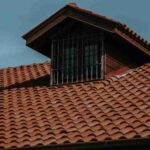
A roof is the most critical barrier protecting your home from weather, moisture, and temperature extremes. Knowing its lifespan helps homeowners plan maintenance, anticipate repairs, and avoid unexpected costs. While roofs are designed to last for years, their longevity depends on material quality, installation, climate, and ongoing care. Regular inspections and maintenance play a crucial role in extending a roof’s performance and ensuring your home remains safe, comfortable, and energy-efficient.
Understanding how long a roof lasts also helps homeowners make informed decisions about repairs versus replacement, preventing minor issues from escalating into expensive structural damage. By evaluating both visible signs of wear and underlying factors, you can protect your investment and enjoy a durable, reliable roofing system for decades.
The Real Lifespan of a Roof
The lifespan of a roof varies widely depending on the materials used and the conditions it faces. Asphalt shingles typically last 15–30 years, while architectural shingles provide more durability, lasting 20–40 years. Metal roofs, including steel and aluminum, can endure 40–70 years, and tile or slate roofs often exceed 50–100 years with proper care.
Wood shingles require more maintenance, usually lasting 20–40 years, and flat or low-slope roofing systems, such as rubber or TPO, have slightly shorter lifespans of 20–30 years. Ultimately, a roof’s longevity is influenced not only by the material itself but also by installation quality, climate exposure, and regular maintenance. Investing in quality materials and preventive care helps maximize performance and delays costly replacement.
Factors Affecting Roof Lifespan
Several elements influence how long a roof lasts. From weather conditions and maintenance routines to installation quality and design, understanding these factors helps homeowners protect their investment and extend roof longevity.
Maintenance
Regular inspections and consistent upkeep are crucial to extending a roof’s lifespan. Clearing gutters, removing debris, trimming overhanging branches, and addressing minor leaks promptly prevents small issues from escalating into major problems. Proactive maintenance protects both the structural integrity and aesthetic appeal of your roofing system.
Climate
Weather conditions heavily influence roof longevity. Prolonged sun exposure, extreme heat, temperature fluctuations, heavy rainfall, wind, and hail can accelerate wear on roofing materials. Homes in harsh climates face faster aging, cracks, and granule loss, making timely maintenance and durable materials essential to maximize service life.
Installation Quality
The quality of installation is a key factor in roof durability. Correct placement of shingles, flashing, and underlayment ensures proper water shedding and structural performance. Poor workmanship, such as improper nailing or misaligned materials, can lead to leaks, premature deterioration, and costly repairs years before the expected lifespan.
Roof Design
A roof’s design directly affects its durability. Factors such as pitch, slope, ventilation, and drainage influence water runoff, heat buildup, and moisture accumulation. Properly designed roofs prevent pooling water, reduce stress on materials, and allow adequate airflow, all of which contribute to a longer-lasting and more resilient roofing system.
Signs Your Roof Is Nearing the End of Its Life
Recognizing warning signs early can save homeowners from costly repairs or structural damage. Regular inspection of both the exterior and attic helps identify potential problems.
- Curling or Buckling Shingles – Edges curling upward or shingles bending in the middle indicate aging and reduced water-shedding ability.
- Granule Loss – Sand-like granules in gutters show asphalt shingles are losing UV protection and deteriorating.
- Water Stains or Leaks – Visible stains on ceilings or active drips indicate water penetration and potential wood rot.
- Sagging Roof Deck – Drooping sections signal structural compromise, often from moisture or age-related weakening.
- Moss or Algae Growth – Thick moss or algae traps moisture, accelerating decay and reducing shingle lifespan.
- Missing or Damaged Shingles – Exposed underlayment makes the roof vulnerable to water and wind damage.
How Long Does a Roof Last
A typical roof lasts between 15 and 50 years, depending on the material and environmental exposure. Asphalt shingles are common and can last 15–30 years, while metal and tile roofs offer extended longevity of 40–100 years. Installation quality, ventilation, and maintenance significantly influence these numbers. Roofs exposed to extreme weather or poor drainage may need replacement sooner.
Regular inspections and timely repairs help extend service life, ensuring safety, energy efficiency, and structural integrity. Homeowners can maximize lifespan by identifying early signs of damage, replacing damaged shingles, and keeping gutters and downspouts clear to prevent moisture buildup. Proactive measures prevent minor issues from escalating, preserving the roof’s performance over decades.
Finding a Reliable Contractor
Choosing a qualified roofing contractor ensures proper installation, repair, and maintenance. Look for licensed professionals with verified experience in various roofing materials. Reading reviews, requesting references, and verifying warranties are essential steps. Experienced contractors also provide accurate inspections and cost estimates, helping homeowners make informed decisions.
Local experts understand how regional climate affects roofing systems and can recommend solutions that maximize lifespan. Ensure contractors follow industry best practices, including correct ventilation, flashing installation, and proper underlayment use. Partnering with a reliable professional protects your investment and ensures your roof remains safe and durable for years.
Common Roofing Materials and Their Lifespans
Different materials offer varying longevity, cost, and maintenance requirements. Understanding options helps homeowners plan long-term investments.
Asphalt Shingles
Asphalt shingles are an affordable and popular choice for residential roofs. Depending on the quality of materials and exposure to sun, wind, and rain, they typically last between 15 and 30 years. Regular inspections and minor repairs can help extend their service life.
Metal Roofing
Metal roofs are highly durable, resistant to storms, and low-maintenance. With proper installation and occasional upkeep, they can last 40 to 70 years. Their longevity makes them an excellent long-term investment, and they can withstand extreme weather conditions better than many other roofing types.
Tile Roofing
Clay or concrete tiles provide impressive longevity, often lasting 50 to 100 years. Proper installation is critical to avoid cracking or shifting, and regular inspections help maintain performance. Tile roofing offers excellent protection from heat, rain, and heavy winds when maintained carefully.
Wood Shingles
Cedar, pine, or other wood shingles deliver a natural, rustic look and typically last 20 to 40 years. They require ongoing maintenance, including cleaning, treating for rot, and repairing damaged pieces, to prevent premature deterioration and maintain both beauty and functionality.
Slate Roofing
Slate roofing is one of the most durable and long-lasting options, with a lifespan of 75 to 150 years. Its natural stone composition resists fire, wind, and rot. Proper installation and occasional maintenance ensure exceptional performance over multiple generations.
How to Maximize Your Roof’s Longevity
Taking proactive measures preserves your roof’s lifespan and performance:
- Schedule Regular Inspections – Catch minor issues before they escalate.
- Clean Gutters and Debris – Prevent water pooling and rot.
- Trim Overhanging Branches – Avoid damage from falling limbs.
- Repair Leaks Immediately – Small leaks can cause major structural problems.
- Ensure Proper Ventilation – Reduces heat buildup and moisture in the attic.
- Apply Protective Treatments – Anti-algae coatings or sealants extend material life.
- Maintain Roof Surface – Remove moss, algae, or dirt to prevent decay.
These steps enhance durability, reduce repair costs, and extend the functional life of your roof.
Average Roof Lifespan
Different roofing materials offer varying longevity. Use the table below as a general reference:
| Roofing Material | Average Lifespan (Years) |
|---|---|
| Asphalt Shingles | 15–30 |
| Architectural Shingles | 20–40 |
| Metal Roofing | 40–70 |
| Tile (Clay/Concrete) | 50–100 |
| Wood Shingles | 20–40 |
| Slate Roofing | 75–150 |
FAQs
How do I know if my roof needs replacing or just repairs?
Look for signs such as curling or missing shingles, leaks, sagging areas, or granule loss. If multiple issues appear repeatedly, a full replacement may be more cost-effective than ongoing repairs, ensuring long-term protection for your home.
What roofing material lasts the longest?
Slate roofing typically lasts 75–150 years, while clay or concrete tiles can exceed 100 years. Proper installation and regular maintenance are crucial for maximizing longevity, making these materials ideal for homeowners seeking long-term durability and minimal repairs.
Can maintenance really extend my roof’s lifespan?
Yes. Regular cleaning, timely leak repairs, trimming overhanging branches, proper ventilation, and removing moss or debris prevent premature wear. These maintenance steps help preserve materials, reduce repair costs, and significantly increase the lifespan of almost any roofing system.
How often should I schedule a roof inspection?
- At least once a year to catch small problems early.
- After severe storms or extreme weather events.
- Homes with surrounding trees or harsh climates may need more frequent inspections to prevent damage and extend roof lifespan.
Final Thoughts
A roof is a long-term investment that protects your home and family. Lifespan depends on materials, climate, installation quality, and maintenance habits. Regular inspections, timely repairs, and preventive care can significantly extend a roof’s functional life, saving homeowners from costly replacements.
Understanding material options, recognizing warning signs, and working with skilled professionals ensures your roof remains durable, weather-resistant, and efficient for decades. By taking proactive steps, you can enjoy peace of mind knowing your roof will provide reliable protection year after year, keeping your home safe, comfortable, and energy-efficient.