
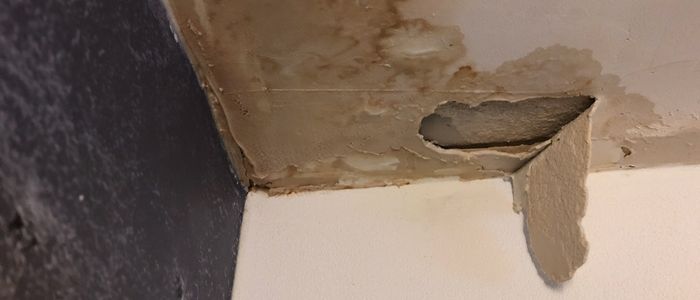
A roof leak can feel stressful the moment you notice it. You might see water dripping from the ceiling, wet patches spreading on walls, or even hear dripping sounds during rain.
It often catches you off guard, especially if everything seemed fine before.
When your roof leaking right now, it means water has already found a path through the outer layers and is entering your home. This is not something to delay, because even a small leak can spread quickly.
Acting fast is the key, and the steps you take in the first few minutes can help limit damage and protect your home from more serious problems later.
What a roof leak really means for your home
A leak is not just a surface problem. It means water has already passed through protective layers like shingles, underlayment, or flashing.
You might only see one wet spot inside, but the water often travels through beams and insulation before showing itself. That is why the visible drip is usually only part of the real issue.
First response when you notice active leaking
Move quickly but stay calm
When you first see water coming in, your reaction matters. You should not rush in panic. Instead, focus on simple steps that reduce damage. The leak is already happening, so your goal is to control it, not fix it immediately.
Protect your living space immediately
Start by moving anything valuable away from the leak. Furniture, electronics, and personal items should be relocated if possible.
You should also place containers under dripping water to reduce floor damage and prevent spreading moisture.
Contain water before it spreads
Water can travel faster than expected. Even a small drip can spread across ceilings or floors. You should try to keep it contained in one area using buckets, towels, or waterproof covers.
Why roof leaks spread faster than expected
Roof leaks do not stay in one place. Once water enters, it follows gravity and finds hidden paths. It can move along wood beams, insulation layers, or even electrical lines.
You might only notice one drip point, but inside the structure, the affected area is often larger than it looks.
Common sources of sudden roof leaks
Damaged or missing shingles
Shingles protect the outer layer of your roof. If they are missing or broken, rainwater can enter easily. Wind and aging are the most common causes of shingle failure.
Cracked flashing around joints
Flashing seals areas around chimneys, vents, and roof edges. If it cracks or lifts, water can enter through small gaps and spread inside the structure.
Clogged gutters causing overflow
When gutters are blocked, water cannot drain properly. It overflows and runs back under the roof edges, creating leaks along the top walls or ceilings.
Aging roofing materials
Old roofing materials lose flexibility and strength over time. You might not notice it until heavy rain exposes weak areas that can no longer hold back water.
How to reduce indoor damage immediately
Place containers under active leaks: This is a simple but important step. Buckets or containers help control dripping water and prevent it from spreading across floors or furniture.
Move electronics and valuables: Water damage to electronics or important documents can be permanent. You should move them away from affected areas as quickly as possible.
Dry standing water safely: If water has already spread, you can use towels or mops to remove it. This helps reduce slipping risks and prevents deeper floor damage.
Improve ventilation if possible: Opening windows can help reduce moisture buildup inside your home. This is not a repair, but it helps slow down humidity damage.
Warning signs that the leak is getting worse
- Water drip rate increases.
- Ceiling starts sagging.
- New wet spots appear nearby.
- Paint begins bubbling.
- Musty smell develops.
- Walls feel damp to touch.
- Leak spreads across rooms.
- Stains grow quickly.
When a leak becomes an emergency
A roof leak becomes urgent when water is flowing instead of dripping. You should also treat it seriously if it affects electrical fixtures or spreads across multiple areas.
Large leaks can weaken ceilings and insulation quickly, making immediate professional help necessary.
In some cases, continued exposure can also damage wiring, increase safety risks, and lead to sudden ceiling collapse if ignored.
Temporary protection options you can consider
Using a tarp for coverage
A waterproof tarp can help stop rain from entering until repairs are done. It should only be used if it is safe to access the roof or handled by professionals.
A properly secured tarp can prevent further water intrusion and reduce interior damage during ongoing weather.
Sealing small openings temporarily
Some minor leaks can be slowed using temporary sealants. However, this is only a short-term solution and not a permanent fix.
These materials may hold briefly, but they often fail under heavy rain or pressure and should not replace proper repair work.
Redirecting water flow
In some cases, water flow can be redirected using simple barriers inside the attic or roof space to reduce indoor damage.
This helps control where water goes and keeps it away from sensitive areas like wiring, insulation, or ceilings until repairs are completed.
What not to do during a roof leak
Do not climb onto a wet roof
A wet roof is extremely dangerous. Slips and falls are common, especially during rain or wind conditions.
Even if the damage looks small, the surface can be unstable, and loose materials may shift without warning.
Do not ignore small leaks
Even small leaks can spread inside walls and insulation. Ignoring them often leads to bigger hidden damage over time.
What starts as a minor drip can turn into mold growth, ceiling stains, and structural weakening if not handled early.
Do not use random materials
Plastic sheets or tape may seem helpful, but they rarely hold during rain and can make repairs more complicated later.
These quick fixes can fail under pressure and may trap moisture inside, causing more damage instead of preventing it.
Why professional inspection is necessary
A roofing professional does more than stop visible leaks. They check hidden areas where water may have entered.
This includes insulation, decking, and structural beams. Without proper inspection, you may miss damage that continues to grow silently inside your home.
What experts usually check first
Roof surface condition
They inspect shingles, flashing, and joints to locate the exact entry point of water. This helps identify whether the leak is caused by surface damage, loose materials, or gaps that allow rain to pass through.
Attic and internal structure
They check for moisture, mold, or weakened wood inside the roof system. This step is important because water often travels before showing signs, and hidden damage can affect insulation and structural strength over time.
Drainage and gutter flow
Blocked or damaged drainage systems are often part of the leak problem. Experts check if water is flowing properly off the roof, since poor drainage can cause water to back up and enter vulnerable areas.
Hidden damage that may appear later
- Ceiling stains after drying.
- Mold growth in hidden areas.
- Weak drywall sections.
- Damp insulation layers.
- Long term wood rot.
- Repeated leak spots.
- Increased indoor humidity.
- Structural weakening over time.
How to prevent future roof leaks
- Inspect your roof regularly to catch small problems before they turn into leaks.
- Clean gutters often to ensure proper drainage and prevent water buildup on roof.
- Replace damaged or missing shingles as soon as you notice any signs of wear.
- Check flashing around vents, chimneys, and edges to prevent water entry points.
- Trim nearby tree branches to reduce debris buildup and storm damage risk.
- Ensure proper attic ventilation to control moisture and extend roof lifespan.
- Fix small cracks or gaps early before they allow water to seep inside.
- Schedule professional roof inspections yearly to maintain overall roof condition.
Why quick action saves money
Delaying roof leak repairs usually increases the cost. Water spreads silently inside walls and ceilings, causing hidden damage.
What could be a simple repair can turn into structural work if ignored. Acting early always reduces repair size and cost.
Frequently Asked Questions
Can a roof leak stop temporarily on its own?
A roof leak may slow down or seem to stop when rain reduces, but the problem does not go away. The entry point is still there, and water can return with the next rain.
Sometimes leaks shift position instead of stopping. That is why even temporary pauses should never be treated as a real fix or solution.
How fast can roof leak damage spread?
Damage can begin within hours, especially if the leak is active. Water moves through insulation, wood, and ceiling layers quickly.
You might only see a small spot at first, but inside the structure it can spread wider. If not addressed early, it can lead to stains, mold, and weakening of important roof components.
Is it safe to stay in a house with a roof leak?
In most cases, it is safe to stay inside your home, but you should avoid areas directly affected by the leak.
If water is near electrical outlets or fixtures, extra caution is needed. Also, if the ceiling shows signs of sagging or weakness, it is best to stay away from that space until it is checked.
Should I wait for rain to stop before calling repair help?
No, you should not wait. Roof leaks can worsen quickly while rain is ongoing. Contacting a professional early allows them to guide you on temporary protection and prepare for repair.
Acting quickly reduces the risk of further damage and helps control repair costs before the issue becomes more serious.
Final Thought
When your roof leaking right now, it can feel urgent and stressful, but the situation is easier to handle when you stay calm and take the right steps.
You do not need to fix everything immediately, but you do need to control the damage as early as possible.
Even a small leak can travel through hidden parts of your roof like wood, insulation, and ceiling layers, which makes the problem grow without warning.
Quick action helps you protect your home, reduce repair costs, and avoid long term damage. Focus on safety first, manage the water inside your home, and get a proper inspection done so the real cause is fixed, not just the visible signs.