
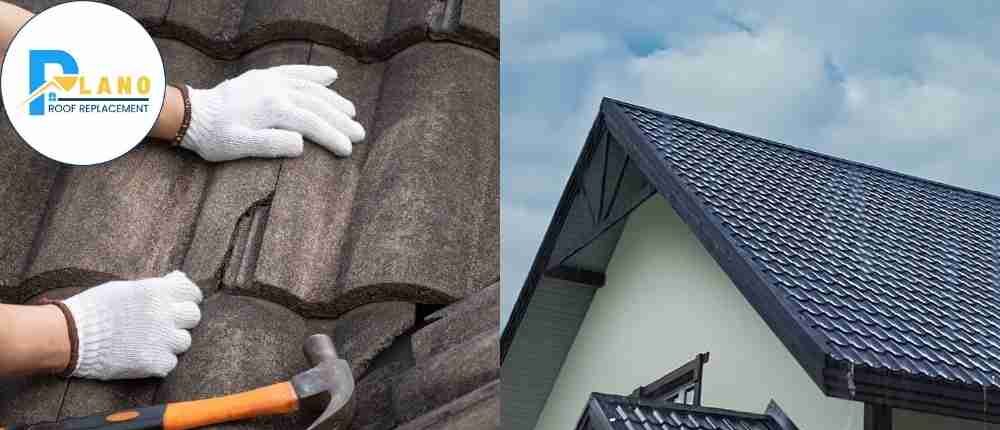
Dealing with roof issues can be overwhelming and costly for any homeowner. Whether it’s visible leaks, damaged shingles, or signs of aging, the decision between roof repair and roof replacement often determines how well your home stays protected for years to come. Not every problem requires tearing off the entire roof; many minor issues can be fixed affordably and effectively.
However, attempting repairs on a severely worn or structurally compromised roof may only delay inevitable problems and lead to greater expenses later. Professional inspections play a key role in identifying the extent of damage and recommending the most practical solution.
By understanding the differences, you can protect your budget while ensuring long-term durability, energy efficiency, and home value. The right choice depends on factors like age, damage scope, and future weather exposure.
Roof Repair vs Roof Replacement: Core Concepts Explained
Roof repair involves targeted fixes to address specific, localized damage without disturbing the majority of the roofing system. This approach is ideal for isolated problems such as a few missing or cracked shingles, small leaks, or damaged flashing. Repairs extend the existing roof’s life cost-effectively when the underlying structure remains sound.
In contrast, roof replacement means removing the old roofing materials entirely and installing a new system, including underlayment, deck repairs if needed, and fresh shingles or other coverings.
This comprehensive option is necessary when damage is widespread, the roof has exceeded its expected lifespan, or structural issues like sagging are present.
Replacement provides a fresh start with modern materials that offer better performance against weather, improved insulation, and enhanced longevity. Choosing between the two balances immediate costs against future reliability repairs offer quick relief, while replacement delivers lasting protection and peace of mind.
Key Factors to Evaluate When Choosing Between Roof Repair and Replacement
Extent of Damage
Assess whether the issue is confined to one area or affects large sections of the roof. Localized damage often favors repair, while widespread deterioration typically calls for full replacement to avoid ongoing problems.
Roof Age and Material Lifespan
Consider how old your roof is and the typical durability of its materials. Older roofs nearing the end of their life may benefit more from replacement than repeated repairs.
Budget and Long-Term Value
Weigh short-term savings from repairs against the higher upfront cost of replacement. Replacement often provides better ROI through reduced future maintenance and increased home value.
Upcoming Weather Conditions
Evaluate local climate risks like storms or heavy rain. A weakened roof may require replacement to prevent major damage during severe weather seasons.
Common Signs of When to Repair a Roof
Minor roof problems are common and often don’t require a full overhaul. If you notice visible water stains or discoloration on ceilings and walls, it could indicate small leaks that need prompt patching to prevent interior damage.
Missing, curling, or cracked shingles are frequent issues that can usually be fixed by replacing individual pieces, restoring protection quickly.
Granule loss collecting in gutters is another early warning of aging but can be managed with targeted repairs before it becomes severe. Small cracks, gaps around flashing, vents, or chimneys, and isolated storm damage like hail impacts on a limited area are all signs that professional repair techniques such as patching, shingle replacement, or sealing can effectively extend your roof’s usability.
Major Signs You Need a Roof Replacement
When damage goes beyond minor fixes, attempting repeated repairs becomes inefficient and risky. Widespread shingle loss, heavy curling, or excessive granule shedding across most of the roof indicates systemic wear that patches can’t adequately address.
Visible sagging in the roof deck or structure is a serious red flag, signaling potential underlying weakness that requires complete replacement for safety. Mold growth, recurrent leaks despite prior fixes, or active water intrusion into the home point to widespread failure.
What is the Average Lifespan of Your Roof
The average lifespan of a residential roof depends on materials, installation quality, and environmental exposure. Asphalt shingle roofs, the most common type, typically last 15–30 years under normal conditions, though intense sun, storms, and temperature fluctuations can shorten this to 15–20 years in harsher climates.
Higher-end materials like metal or tile may endure 40–50+ years with proper care. Regular maintenance, prompt minor repairs, and annual inspections significantly extend lifespan by catching issues early. Knowing your roof’s age helps determine if ongoing repairs are worthwhile or if replacement offers better long-term protection.
Roof Repair vs. Replacement: Pros and Cons
Both options have clear advantages and drawbacks, depending on your specific situation.
Roof Repair Pros
Lower upfront costs and faster completion time make repairs ideal for budget-conscious homeowners facing isolated issues.
Roof Repair Cons
Repairs may only provide temporary fixes, potentially leading to repeated expenses if underlying problems persist.
Roof Replacement Pros
Offers long-term durability (20–50 years), reduces future leaks, boosts energy efficiency, and increases property value.
Roof Replacement Cons
Higher initial investment and longer project timeline are the main trade-offs, though the benefits often outweigh them over time.
How to Decide What’s Right for Your Home
Making the best choice starts with a professional inspection to evaluate damage accurately. Consider these guidelines:
- Opt for repair if damage is isolated, your roof is under 10–15 years old, or you plan to sell soon.
- Choose replacement if issues are widespread, the roof exceeds 15–20 years, or leaks recur despite fixes.
- Factor in budget: Repairs save money short-term, while replacement provides lasting value.
- Think about weather risks: Proactive replacement prevents bigger problems in storm-prone areas.
- Consult experts for honest recommendations based on your roof’s condition and goals.
A thorough assessment ensures the decision aligns with both immediate needs and future protection.
Cost Comparison: Repair vs. Replacement
Understanding typical costs helps homeowners budget effectively and compare options realistically.
| Feature | Roof Repair | Roof Replacement |
|---|---|---|
| Average Cost | $300 – $1,500+ | $7,000 – $18,000+ |
| Time to Complete | 1 day | 1–3 days |
| Lifespan After Work | 1–5 years | 20–50 years |
| Insurance Coverage | Often partially covered | Covered if storm-related |
| Long-Term Value | Short-term fix | Major investment & ROI |
Costs vary by roof size, materials, and complexity, but replacement generally delivers superior value over time.
FAQs
How do I know if my roof needs repair or replacement?
A professional inspection evaluates shingles, flashing, underlayment, and structure to identify leaks, wear, or hidden damage. Minor localized issues suggest repair, while widespread deterioration, repeated leaks, sagging, or material failure usually indicate the need for full replacement in such cases.
Can repairs extend my roof’s life enough?
Repairs can extend a roof’s life when problems are isolated, materials remain sound, and the structure is intact. However, on older roofs with recurring issues, compromised decking, or extensive wear, repairs offer limited value and short-term results for most homes.
How long does a typical residential roof last?
Most residential asphalt shingle roofs last between 15 and 30 years, depending on installation quality, ventilation, climate conditions, maintenance habits, and exposure to sun, wind, moisture, and debris that gradually accelerate aging and material breakdown over time for homeowners overall.
Is replacement always more expensive than repair?
Replacement usually costs more upfront, but it reduces ongoing repair expenses, improves energy efficiency, increases property value, and minimizes risk of structural damage, water intrusion, and mold, making it a more cost-effective solution over the long term for most homes.
Final Thoughts
Deciding between roof repair and replacement doesn’t have to be stressful. Start with a comprehensive professional inspection to gain clear insights into your roof’s condition. This step reveals whether targeted fixes will suffice or if a full upgrade is the smarter path.
Repairs offer quick, affordable relief for minor issues, while replacement provides peace of mind, enhanced durability, and better protection against future challenges.
Prioritizing quality materials and expert workmanship ensures your choice delivers lasting results. Regular maintenance and prompt action on early signs can maximize any roof’s potential.
Ultimately, investing wisely today safeguards your home, comfort, and finances for years ahead. Don’t hesitate to seek expert guidance for personalized recommendations tailored to your needs.