
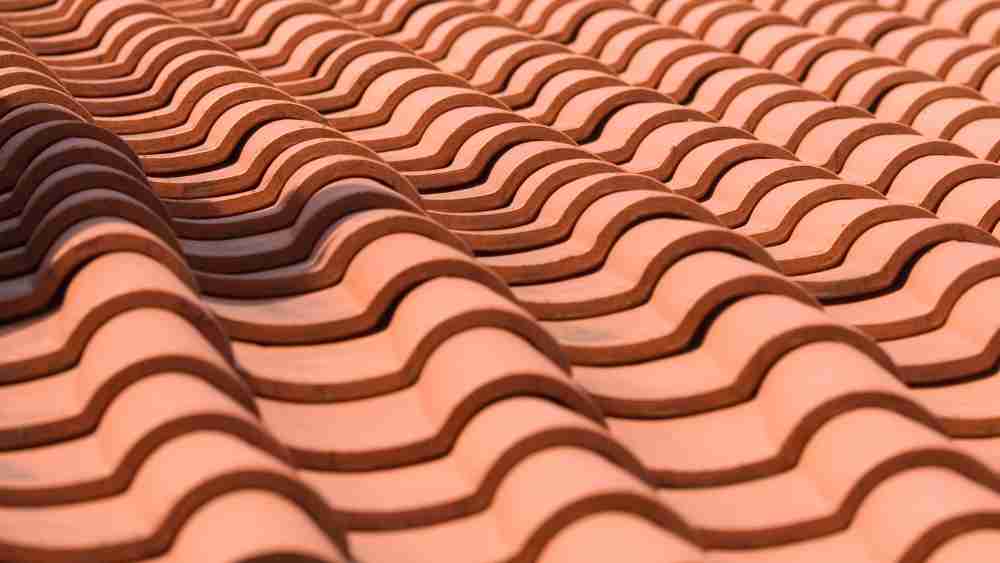
Spanish tile roofs are a timeless roofing choice that combines classic Mediterranean aesthetics with long-lasting durability. Known for their distinctive curved “S” shape, these clay or concrete tiles are designed to channel water efficiently and promote natural ventilation beneath the roof. Homeowners often choose Spanish tile roofs for their combination of beauty, longevity, and energy efficiency.
Unlike asphalt shingles or standard roofing materials, Spanish tiles offer both a functional and decorative solution that enhances curb appeal. Although they require a higher upfront investment, their lifespan, fire resistance, and low maintenance potential make them a compelling option for those seeking a durable and visually striking roofing material.
What makes Spanish tile roofs unique
Spanish tile roofs stand out because of their iconic curved profile, often referred to as barrel or “S” shaped tiles. This design not only delivers a distinctive architectural appeal but also serves a practical purpose.
The curves channel rainwater effectively while allowing airflow between tiles and the roof deck, reducing heat buildup and moisture accumulation. Traditionally made from clay or concrete, Spanish tiles are known for their longevity, often lasting 50 years or more.
Their natural thermal properties help regulate indoor temperatures, keeping homes cooler in summer and warmer in winter. With their combination of classic aesthetics, durability, and functional design, Spanish tile roofs continue to be a preferred choice for homeowners prioritizing both style and performance.
Colors and Styles of Spanish Tile
Spanish tile roofs are available in a variety of colors and styles, allowing homeowners to enhance architectural character, improve curb appeal, and achieve a distinctive look that suits both traditional and modern designs.
Traditional Terracotta
Traditional terracotta tiles feature warm reddish-orange tones that create a rustic, Mediterranean-inspired appearance. Their natural clay finish offers timeless charm, blending seamlessly with both classic and contemporary architectural styles for enduring curb appeal.
Patterned Tiles
Patterned Spanish tiles showcase varied textures and subtle color differences, creating a distinctive and dynamic roof surface. These variations enhance visual interest, highlight architectural details, and add character to homes seeking a more decorative roofing style.
Dark Earth Tones
Dark earth tone tiles, including deep browns and muted reds, deliver a refined and elegant appearance. Although they absorb more heat, they add visual depth, richness, and a bold aesthetic to exterior design.
Essential Tips for Tiling a Roof with Clay Tiles
Spanish tile installation requires careful planning and proper technique to maximize durability and performance. Consider the following tips to ensure a safe and long-lasting roof:
- Inspect the Roof Deck – Ensure the underlying structure is sound and capable of supporting heavy clay tiles. Reinforce if necessary.
- Use Proper Underlayment – Install a waterproof underlayment to prevent leaks and protect roof decking from moisture.
- Start at the Eaves – Begin tiling from the roof’s lower edge and work upward to ensure proper alignment and water flow.
- Maintain Consistent Spacing – Leave adequate gaps between tiles for expansion and ventilation.
- Secure Tiles Correctly – Use appropriate nails or clips to prevent wind uplift and reduce the risk of breakage.
- Avoid Walking on Installed Tiles – Minimize breakage by using walk boards or scaffolding when accessing the roof.
- Regular Maintenance – Remove debris and inspect tiles annually for cracks or displacement to maintain performance.
How Do Spanish Tile Roofs Hold Up to Weather?
Spanish tile roofs are highly durable, able to withstand extreme heat, strong winds, and heavy rainfall. Clay and concrete tiles are naturally fire-resistant, often earning Class A fire ratings.
Their curved profile encourages water runoff, reducing the risk of leaks, while the airspace beneath tiles helps prevent heat buildup and moisture accumulation.
High-quality Spanish tiles are also resistant to UV degradation, rot, and insect damage, ensuring longevity in various climates. While fragile when impacted by heavy objects, proper installation and maintenance dramatically improve their resilience.
In warmer climates, these roofs excel due to their natural ventilation and thermal properties, making them an excellent choice for homeowners prioritizing both aesthetic appeal and weather performance.
Spanish Roof Tile Cost
Spanish clay tile roofs have a higher upfront cost compared to asphalt or metal roofing. On average, materials and professional installation can range from $15 to $25 per square foot. Costs vary depending on tile type, roof complexity, and underlayment requirements.
While the initial investment is significant, Spanish tiles can last over 50 years, reducing long-term replacement costs and maintenance.
Considering their energy efficiency, fire resistance, and added home value, many homeowners find the investment worthwhile. Budgeting for potential structural reinforcement is also important, as clay tiles are considerably heavier than other roofing materials. Overall, Spanish tiles offer a durable, long-term solution for those seeking style and longevity.
Key drawbacks to consider
While Spanish tile roofs provide durability and visual appeal, homeowners should also consider certain drawbacks related to cost, weight, and material limitations before making a long-term roofing decision.
Fragility
Clay Spanish tiles can crack or break if walked on incorrectly or struck by heavy debris. Although durable against weather, they require careful handling and professional installation to prevent damage during placement and future maintenance.
Higher Installation Costs
Spanish tile roofs involve higher installation costs due to specialized labor requirements and longer installation times. Additional expenses may also arise from structural reinforcements needed to support the weight of the tiles safely.
Weight Considerations
Spanish tiles are significantly heavier than many roofing materials, placing extra stress on roof structures. Many homes require framing upgrades or engineering assessments to ensure the building can safely handle the added load.
Limited Color Options
Although traditional terracotta is the most common choice, alternative colors are available only at premium prices. This can limit design flexibility for homeowners seeking unique shades or specific aesthetic themes.
Benefits of Spanish Clay Tiles
Spanish clay tiles offer unique advantages:
- Longevity – Last 50+ years with proper care
- Energy Efficiency – Natural ventilation reduces cooling costs in hot climates.
- Fire Resistance – Typically Class A fire-rated.
- Low Maintenance – Minimal upkeep required compared to asphalt or wood.
- Aesthetic Appeal – Adds timeless Mediterranean style, enhancing curb appeal.
- Environmental Friendliness – Made from natural, recyclable materials.
- Durability – Resistant to rot, insects, and UV damage, performing well under extreme weather.
Spanish Tile vs Clay Roof Tile
Spanish tiles are a subset of clay tiles, often compared to Mission-style or other clay tiles. Here’s a breakdown:
- Shape – Spanish tiles are “S” shaped, while other clay tiles may be flat or curved differently.
- Installation – Spanish tiles require precise alignment; Mission-style allows staggered placement.
- Aesthetic – Spanish tiles create a distinctive Mediterranean look; other clay tiles may suit regional styles.
- Weight – Similar weight range; structural support is often required for both.
| Feature | Spanish Tile | Other Clay Tile |
|---|---|---|
| Shape | S-shaped | Flat or barrel |
| Installation | Requires precise alignment | Can be staggered |
| Lifespan | 50+ years | 50+ years |
| Maintenance | Low | Low |
| Appearance | Mediterranean style | Regional variations |
FAQs
How long do Spanish tile roofs last?
Spanish tile roofs typically last 50 years or longer with proper installation and routine maintenance. High-quality clay tiles can even exceed 100 years, making them one of the most durable and long-lasting roofing materials available.
Are Spanish tiles fire-resistant?
Yes, most Spanish clay tiles are Class A fire-rated, which is the highest fire resistance rating. They do not ignite or burn, providing excellent protection for homes and commercial buildings in fire-prone areas.
Do Spanish tile roofs require structural reinforcement?
Yes, Spanish tile roofs are significantly heavier than asphalt or metal roofing. Many homes require structural reinforcement or framing upgrades to ensure the roof can safely support the additional weight over time.
Can I install Spanish tiles in cold climates?
Spanish tiles can be installed in cold climates, but freezing temperatures increase the risk of cracking. These roofs perform best in warm, dry regions where moisture and repeated freeze-thaw cycles are less common.
Final Thoughts
Spanish tile roofs are a premium, long-lasting roofing solution offering unmatched beauty, energy efficiency, and fire resistance. Their curved design not only enhances aesthetic appeal but also promotes ventilation, protecting your home from heat and moisture.
While installation costs and weight are higher than alternative materials, the long-term durability and low maintenance make Spanish tiles a worthwhile investment.
With proper structural support and professional installation, homeowners can enjoy a Mediterranean-style roof that stands the test of time, increases curb appeal, and provides peace of mind. Ideal for those seeking a combination of classic elegance and lasting performance, Spanish tile roofs remain a top choice for discerning homeowners.