
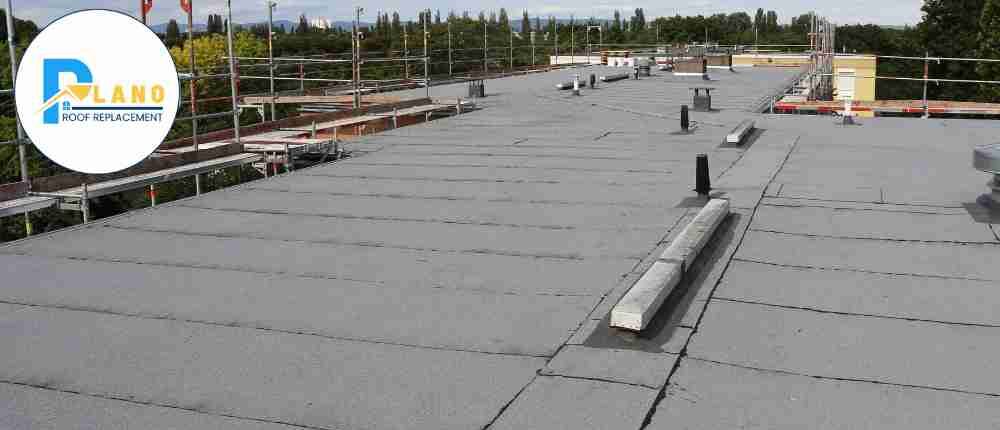
EPDM roofing has emerged as one of the most reliable options for flat and low-sloped roofs, offering a combination of durability, cost-effectiveness, and energy efficiency.
Popular for both commercial and residential applications, EPDM provides exceptional resistance to weather, UV rays, and extreme temperature fluctuations.
Its long lifespan, often exceeding 25 years, and straightforward repair process make it a practical choice for property owners seeking a low-maintenance roofing solution.
Lightweight and flexible, EPDM can be installed on a variety of structures without adding significant weight. Available in black or white, it can help optimize energy efficiency depending on your climate, reflecting or absorbing heat as needed.
With multiple installation methods and proven performance, EPDM roofing remains a top contender among modern roofing materials for low-slope applications.
What Is EPDM Roofing?
EPDM, or ethylene propylene diene monomer, is a synthetic rubber roofing membrane designed for flat and low-slope surfaces. Unlike natural rubber, EPDM is highly resistant to heat, cold, ozone, and UV radiation, giving it remarkable longevity.
It is typically sold in large rolls of varying widths and thicknesses, commonly 45, 60, or 90 mils, allowing it to cover substantial roof areas with minimal seams.
The membrane is available in black, which absorbs heat for colder climates, or white, which reflects sunlight to reduce cooling costs in warmer regions.
EPDM’s lightweight, flexible nature enables easy handling and installation, while its rubber composition allows for cost-effective repairs. Widely used in commercial buildings, detached garages, porches, and low-slope residential roofs, EPDM also functions as a base for green roofs, rooftop gardens, and solar installations.
How Is EPDM Roofing Installed?
Installing an EPDM roof involves more than just laying down a membrane. The process requires careful preparation, precise placement, and the right installation method to ensure a durable, watertight roof.
EPDM roofing can be installed in several ways fully adhered, mechanically fastened, or ballasted, each offering unique benefits depending on the roof size, structure, and performance needs. Understanding these methods helps homeowners and contractors achieve a long-lasting, low-maintenance roofing solution.
Fully Adhered Installation
Fully adhered EPDM roofing involves spreading adhesive evenly across the roof deck and pressing the membrane firmly into place.
This method eliminates the need for mechanical fasteners or ballast, creating a continuous, seamless layer that maximizes waterproofing, durability, and overall roof performance. It’s ideal for roofs where a smooth, uniform finish and long-term protection are priorities.
Mechanically Fastened Installation
Mechanically fastened EPDM sheets are secured using screws and plates across the roof deck. This method is faster than fully adhered systems and works well for large surfaces.
However, it requires careful attention to seam and fastener sealing to prevent leaks and maintain long-term durability. Proper installation ensures a reliable and cost-effective roofing solution.
Ballasted Installation
Ballasted EPDM roofing uses heavy materials such as gravel, pavers, or concrete blocks to hold the membrane in place. This approach can reduce installation costs and avoids the need for adhesives or mechanical fasteners.
Proper seam sealing is crucial to maintain consistent waterproof performance, ensuring that the roof remains protective and long-lasting.
What Causes EPDM Roofs to Fail?
While EPDM is highly durable, certain factors can compromise its performance:
- Seam Leaks: Improper sealing or wear over time can allow water to penetrate the membrane at the seams. Regular inspections help prevent major issues.
- Punctures and Tears: Sharp debris, hail, or heavy foot traffic can puncture the membrane, leading to leaks if not repaired promptly.
- Shrinkage: Exposure to extreme temperatures may cause the membrane to contract, stressing seams and fasteners.
- UV and Ozone Degradation: Though EPDM resists UV and ozone, prolonged exposure in harsh climates can gradually affect flexibility.
- Poor Installation: Incorrect installation of adhesives, fasteners, or ballasts may compromise waterproofing and reduce the roof’s lifespan.
The Pros of EPDM Roofing System
EPDM roofing offers several advantages for property owners seeking long-term value. It is lightweight, flexible, and capable of spanning large areas with minimal seams, reducing potential leak points.
EPDM can withstand extreme temperatures, hail, and wind, making it suitable for a wide range of climates. Installation is relatively straightforward, whether fully adhered, mechanically fastened, or ballasted, and repairs are simple and cost-effective.
Energy efficiency is another key benefit, with black membranes absorbing heat for colder climates and white membranes reflecting sunlight in hotter regions.
Additionally, EPDM serves as an ideal base for rooftop gardens, solar arrays, or other features, enhancing both functionality and sustainability. Its combination of affordability, resilience, and versatility makes it a top choice for low-slope roofing projects.
How Much Does EPDM Roofing Cost?
The cost of EPDM roofing typically ranges from $4 to $12 per square foot, depending on thickness, color, and installation method.
Fully adhered installations fall on the higher end due to labor and adhesive costs, while ballasted systems are more economical. Black EPDM is usually less expensive than white, which includes reflective coating for energy efficiency.
When compared to other flat roofing materials like TPO, PVC, or built-up roofing, EPDM offers a competitive balance of durability and cost-effectiveness.
For property owners, investing in higher-quality membranes can reduce long-term maintenance and repair costs, making EPDM a practical solution for both commercial and residential flat roofs.
EPDM Roofing Membrane Details
EPDM roofing membranes are constructed in multiple layers to ensure durability and waterproofing.
Base Layer
The elastomeric base layer serves as the foundation of the roofing system, offering essential flexibility and initial waterproofing. It helps the roof adapt to temperature changes and structural movement while preventing water penetration, creating a reliable first barrier against the elements.
Reinforcement Layer
A reinforcement layer made of fiber-reinforced polyester provides exceptional strength and durability. This layer enhances puncture resistance, reduces the risk of tears, and significantly extends the roof’s lifespan, ensuring long-term protection and stability under various environmental and mechanical stresses.
Fire Retardant Layer
The fire retardant layer is designed to enhance safety by resisting ignition and slowing the spread of flames. It ensures compliance with building codes and provides peace of mind, adding an important protective barrier against fire hazards.
Optional White Top Layer
The optional white top layer of EPDM membranes includes a reflective surface that reduces heat absorption. By reflecting sunlight, it improves energy efficiency, helps maintain cooler interior temperatures, and lowers energy costs, particularly in warm or sunny climates.
Essential Maintenance for Long-Lasting EPDM Roofing
Maintaining an EPDM roof is critical to its longevity. Key maintenance steps include:
- Regular Inspections: Check seams, flashings, and edges for signs of wear or leaks.
- Debris Removal: Keep the roof clear of branches, leaves, and other materials that may puncture the membrane.
- Prompt Repairs: Address tears, punctures, or seam issues immediately to prevent water damage.
- Cleaning: Periodically wash the roof surface to remove dirt, algae, or stains that can affect performance.
- Gutter Maintenance: Ensure proper drainage to prevent water pooling, which may stress the membrane over time.
With consistent care, an EPDM roof can easily exceed 25–30 years of reliable service.
EPDM vs TPO Roofing
EPDM and TPO are both popular single-ply roofing materials, but they have key differences. EPDM is black or white, highly flexible, and installed with adhesives or mechanical fasteners. TPO often reflects sunlight, comes in additional colors, and uses heat-welded seams.
Comparison Table
| Feature | EPDM Roofing | TPO Roofing |
|---|---|---|
| Lifespan | 25–50 years | 20+ years |
| Color Options | Black, White | White, Gray, Tan |
| Seam Type | Tape or adhesive | Heat-welded |
| Installation | Fully adhered, ballasted, mechanically fastened | Fully adhered, heat-welded |
| Energy Efficiency | Black absorbs, White reflects | Reflective |
| Repair Ease | Easy | Moderate |
FAQs
What is the average lifespan of an EPDM roof?
EPDM roofs generally last 25 to 30 years. Premium installations with proper maintenance, quality materials, and favorable climate conditions can exceed 50 years, offering long-term durability and reliable waterproof protection.
How much maintenance does EPDM require?
EPDM requires minimal maintenance. Regular inspections, removing debris, cleaning the membrane, maintaining gutters, and addressing minor repairs promptly help ensure peak performance, prevent damage, and extend the roof’s lifespan effectively.
What causes EPDM roofs to leak?
Leaks typically occur at seams, punctures, or damaged areas. Contributing factors include poor installation, environmental stress, debris accumulation, and physical wear, all of which can compromise waterproofing and roof integrity.
Can EPDM be used on residential roofs?
Yes. EPDM is ideal for low-slope residential roofs, garages, porches, and extensions. It provides a durable, cost-effective, energy-efficient solution suitable for homes requiring long-lasting waterproof performance.
Final Thoughts
EPDM roofing remains one of the most versatile and reliable options for flat and low-sloped roofs. Its durability, energy efficiency, and ease of installation make it an ideal choice for both commercial and residential properties.
Available in black and white, it can adapt to various climates, providing optimal thermal performance. With proper maintenance and timely repairs, an EPDM roof can last decades, delivering excellent value and protection.
Its affordability compared to other flat roofing materials, combined with resistance to extreme weather and UV exposure, makes EPDM a top contender for low-slope roofing projects.
Whether used as a base for rooftop gardens, solar panels, or simply a long-lasting roofing solution, EPDM continues to be a trusted and practical choice for property owners seeking performance and reliability.