
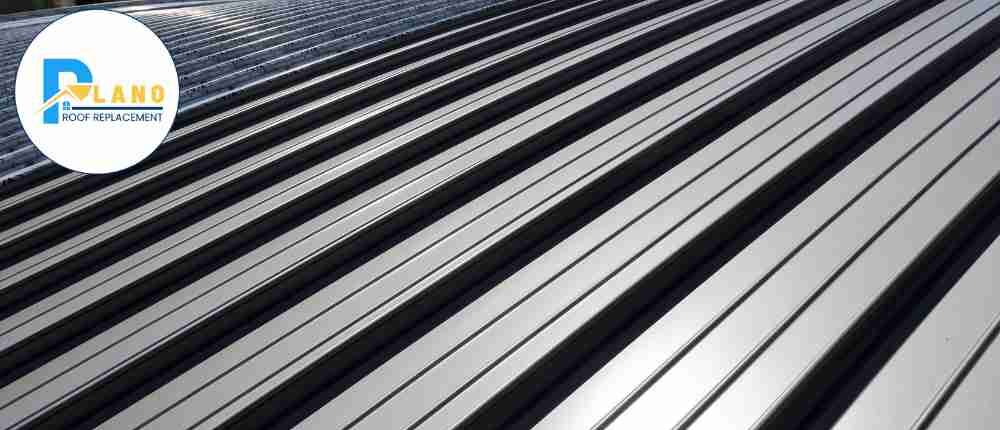
Choosing the right roof is a major decision for any property owner. Among the many options, standing seam metal roofing stands out for its durability, modern aesthetic, and long-term performance. These roofs combine sleek design with structural strength, resisting harsh weather, minimizing maintenance, and offering a lifespan that far exceeds traditional shingles.
With concealed fasteners and interlocking panels, standing seam systems provide a clean appearance while improving water resistance and wind performance.
They are suitable for both residential and commercial applications, adapting to complex roof designs and a variety of slopes. Beyond aesthetics, this roofing type supports energy efficiency, accommodates solar panel installations, and offers long-term savings despite a higher upfront cost.
Understanding its structure, benefits, and cost factors can help homeowners make a well-informed roofing decision.
What Is Standing Seam Metal Roofing?
Standing seam metal roofing is a concealed fastener roofing system consisting of long, interlocking panels with vertical raised seams. These seams rise above the flat panel surface and conceal fasteners underneath, creating a sleek, modern appearance.
Unlike traditional exposed fastener roofs, this design reduces leaks, minimizes maintenance, and allows for thermal expansion and contraction without stressing the panels.
Panels are available in steel, aluminum, zinc, and copper, and can be produced on-site for custom lengths, enhancing weather tightness and installation efficiency. The interlocking seams can be snap-lock, mechanical, or batten style, providing varying degrees of strength and weather resistance.
Standing seam roofs are also fire-resistant, energy-efficient, and compatible with solar panels or rooftop additions, making them a versatile and long-lasting roofing solution for any property.
Types of Standing Seam Metal Roof Panels
Standing seam metal roof panels come in various styles to suit different roof slopes, climates, and aesthetic preferences. Each panel type offers unique installation methods, weather resistance, and performance characteristics for residential or commercial projects.
Snap-Lock Panels
Snap-lock panels interlock without hand or mechanical seaming, using clips beneath the seams. They are fast to install, cost-effective, and ideal for roofs with slopes of 3:12 or greater, providing reliable performance in moderate weather conditions.
Mechanical Lock Panels
Mechanical lock panels require hand or machine seaming. Single or double lock options are available, with double locks offering extra strength, making them suitable for low-slope roofs or areas prone to harsh weather conditions.
Batten Panels
Batten systems use a separate cap over panel seams, either snapped or mechanically seamed. Tee seams enhance weather tightness, while snap caps offer aesthetic flexibility, giving architects and homeowners more design options.
Nail/Fastener Flange Panels
These panels are directly fastened through the male leg and snapped closed. They are economical and simple to install but may perform less effectively under extreme weather or on low-slope roofs compared to other panel types.
How To Save on Standing Seam Metal Roof
Standing seam metal roofing is an investment, but there are ways to reduce costs without compromising performance:
- Choose a Lower Gauge or Panel Width – Thinner panels and narrower widths cost less to manufacture and install.
- Select a Cost-Effective Metal – Steel or aluminum is generally cheaper than copper or zinc, while still offering long-lasting performance.
- DIY Material Sourcing – Purchasing materials directly can reduce contractor markup.
- Simplify Roof Design – Fewer hips, valleys, or complex geometries reduce labor time and material waste.
- Opt for On-Site Panel Production – Custom lengths reduce seams, installation complexity, and component usage.
- Consider Retrofit Systems – Installing metal over existing roofs can save time, disposal fees, and disruption.
- Plan Finishes Carefully – PVDF or high-end coatings last longer but consider SMP coatings for cost-effective durability.
Advantages of Standing Seam Metal Roofing
Standing seam metal roofs offer unmatched durability, longevity, and performance. Concealed fasteners reduce leaks and maintenance, while the interlocking panels enhance wind resistance and water shedding.
The system allows thermal movement without panel damage, reducing oil canning or warping. These roofs are fire-resistant, reflect heat to improve energy efficiency, and support sustainable practices by lasting decades.
Additionally, standing seam panels provide design flexibility, accommodating complex roof structures and curved sections, all while maintaining a sleek, modern aesthetic. Factory-applied finishes resist fading, chalking, and corrosion, preserving visual appeal for years.
The combination of strength, energy efficiency, and architectural freedom makes standing seam metal roofing a premium yet practical choice for long-term investment.
How Much Does a Standing Seam Metal Roof Cost?
A standing seam metal roof typically ranges from $7.50 to $40 per square foot, depending on material, panel width, gauge, and roof complexity. Steel panels are the most economical, while copper and zinc are higher-end options. Costs also vary with labor, roof accessibility, and slope.
On average, a 1,000-square-foot roof could cost between $7,500 and $39,000, with larger roofs proportionally more expensive. Although the upfront investment is higher than asphalt shingles, the long lifespan, minimal maintenance, and potential energy savings make standing seam roofs a cost-effective long-term choice.
What Are Additional Standing Seam Metal Roof Cost Factors?
Several elements beyond materials and panel types affect the total cost of a standing seam metal roof. Labor, permits, roof removal, underlayment, and paint finish all contribute to the final project price.
Labor and Installation
Complex roof designs or steep slopes require experienced installers, increasing labor costs. Mechanical seam panels demand more time and precision than snap-lock systems, making installation labor a significant factor in overall expenses.
Permits and Inspections
Local building codes often mandate permits and inspections. These add administrative and processing costs, ensuring the roof meets safety standards and code requirements throughout each stage of installation.
Existing Roof Removal
Removing an old roof or performing a retrofit affects labor, disposal, and project timeline. Asphalt or metal roofs are cheaper to remove, while clay, slate, or complex roofs increase costs.
Underlayment, Flashing, and Trim
High-quality underlayment, along with properly installed flashing and trim, ensures weather tightness. Additional features like skylights, chimneys, or unique roof shapes can increase material and labor costs.
Paint Finish
Roof coatings impact cost and longevity. SMP paint is more affordable, while PVDF paint retains color longer, resists fading, and often comes with extended warranties, adding to the project’s total expense.
What Makes Standing Seam Metal Roofing So Unique?
Standing seam metal roofing combines structural innovation and aesthetics. Key features include:
- Concealed Fasteners – Prevent leaks and protect panels from wear.
- Thermal Movement – Clips allow expansion and contraction without stress.
- Longevity – Lasts 40+ years with minimal maintenance.
- Weather Resistance – Resists wind uplift, hail, and heavy rain.
- Design Flexibility – Works with steep, low-slope, or complex roof layouts.
- Energy Efficiency – Reflective coatings reduce heat absorption.
- Sustainable – Long lifespan reduces waste.
This combination of performance, durability, and visual appeal sets standing seam apart from other roofing systems.
Can You Install a Standing Seam Metal Roof Yourself?
DIY installation is possible but challenging. Novices should consult professionals for safety and performance. Considerations include roof access, panel handling, and specialized tools.
DIY Considerations:
- Safety harnesses and ladders
- Roof panel alignment and seaming
- On-site rollforming (if needed)
- Fastener installation and clip placement
- Flashing, trim, and underlayment
| Factor | DIY | Professional |
|---|---|---|
| Labor Cost | Saves $3–$11/sq.ft. | Paid upfront |
| Tools Required | High (seamer, clips, fasteners) | Provided by contractor |
| Installation Time | Longer | Faster |
| Warranty | Limited or none | Full manufacturer warranty |
FAQs
What is the lifespan of a standing seam metal roof?
A properly installed standing seam metal roof typically lasts 40–70 years, with some premium metals like copper exceeding 100 years, offering long-term durability, low maintenance, and resistance to weather and fire.
What are the benefits of a standing seam metal roof?
- Concealed fasteners reduce leaks.
- Durable against wind, hail, and fire.
- Minimal maintenance and long lifespan.
- Energy efficient due to reflective surfaces.
What is a cheaper alternative to standing seam metal roofing?
Steel, aluminum, or zinc panels with exposed fasteners are less expensive. Asphalt shingles are another common alternative, though they offer shorter lifespan, higher maintenance, and lower weather resistance.
Can a standing seam metal roof be installed on low-slope roofs?
Yes, mechanically seamed standing seam panels are suitable for low-slope roofs, offering water tightness and durability, while snap-lock panels are typically for slopes of 3:12 or greater.
Final Thoughts
Standing seam metal roofing is a versatile and durable choice, offering unmatched performance, aesthetic appeal, and long-term savings. Its concealed fasteners, interlocking panels, and thermal flexibility make it superior to traditional roofing systems, while material options like steel, aluminum, zinc, and copper cater to both budget-conscious and high-end projects.
Though installation requires expertise, the long lifespan, energy efficiency, and low maintenance make it a smart investment for any property. Retrofit options further enhance accessibility, allowing upgrades without full tear-offs.
With a combination of structural integrity, weather resistance, and design flexibility, standing seam metal roofs are not just a practical roofing solution—they are a long-term enhancement that adds value, safety, and beauty to any property.